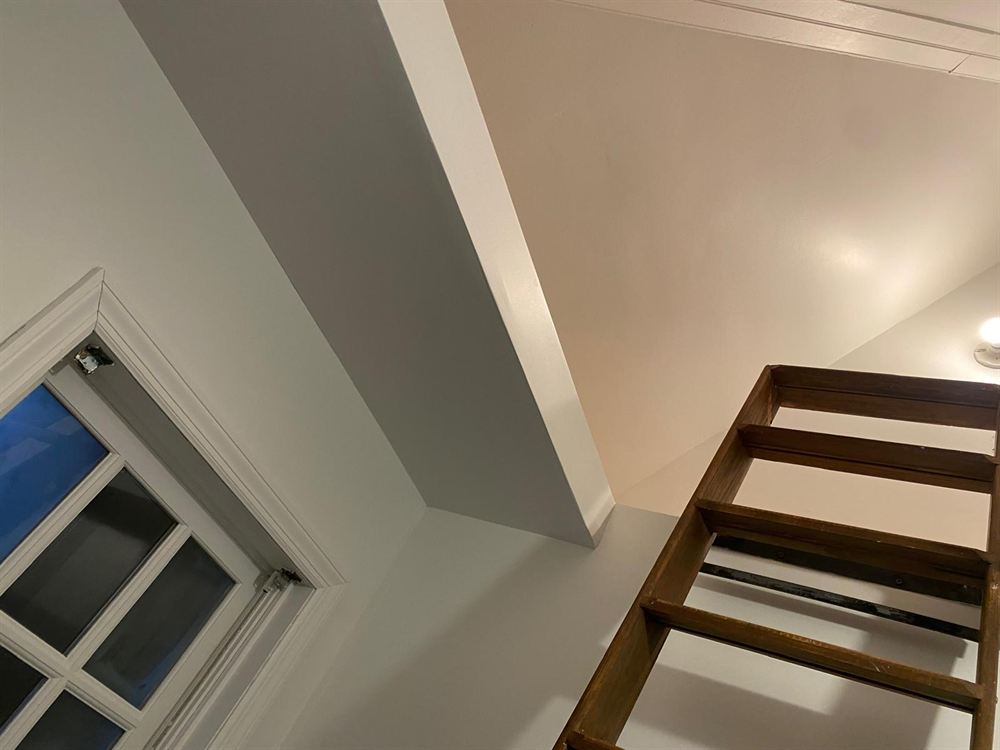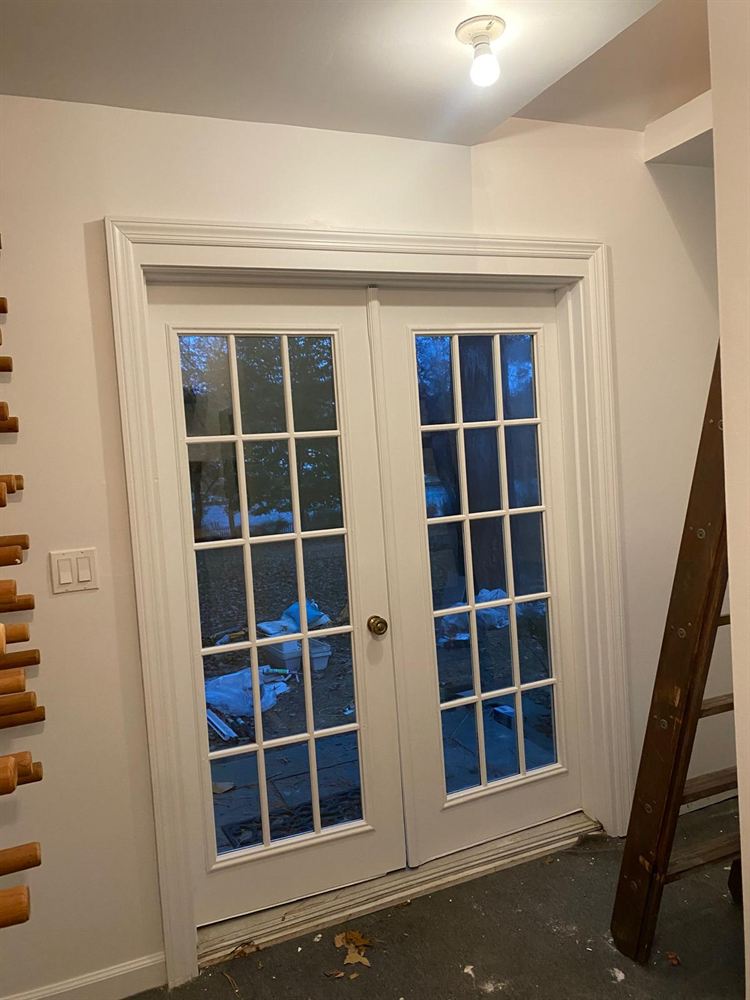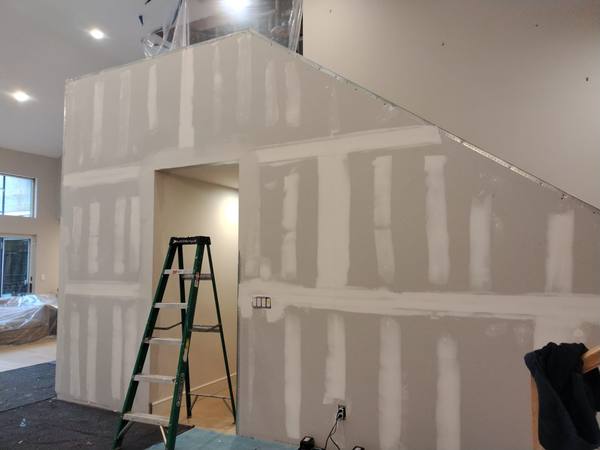
Fresh paint makes a wall more revealing, not less. A uniform sheen across a large surface shows every ridge, dent and badly feathered patch, particularly in the low afternoon light that comes through a west-facing window.
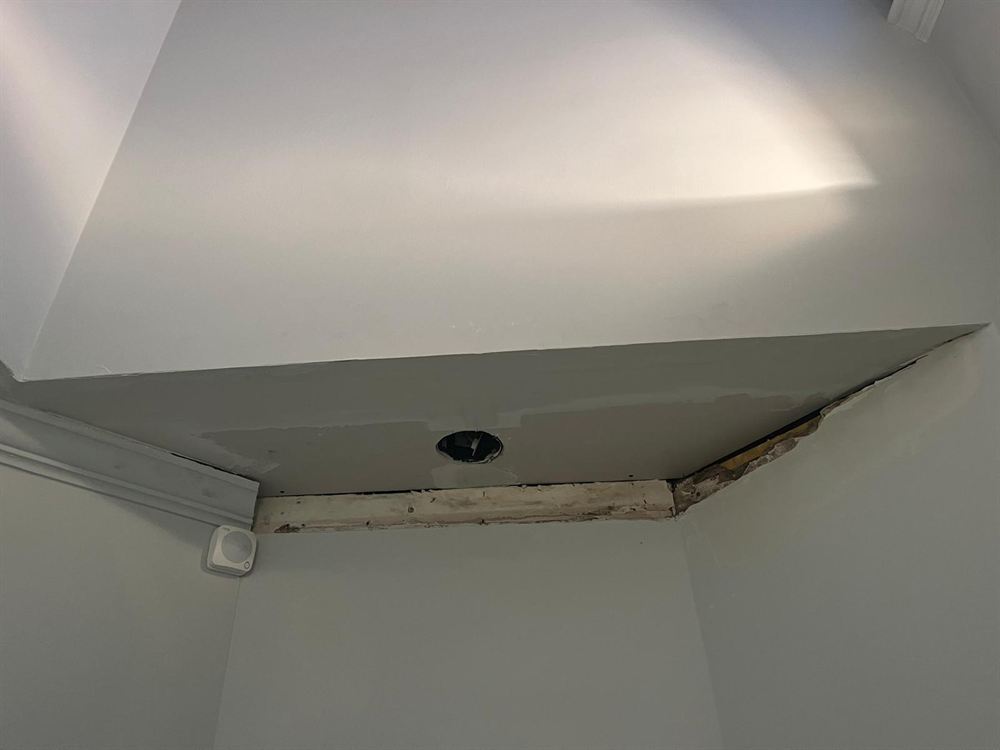
Drywall and sheetrock repair is its own trade, and it is the part of a paint job that decides how the finished room actually looks. We repair walls and ceilings in homes across Southampton, East Hampton, Montauk, Sag Harbor and the rest of The Hamptons — nail pops, cracked tape joints, holes, water-damaged ceilings and full skim coats — and then paint the repair so it disappears.
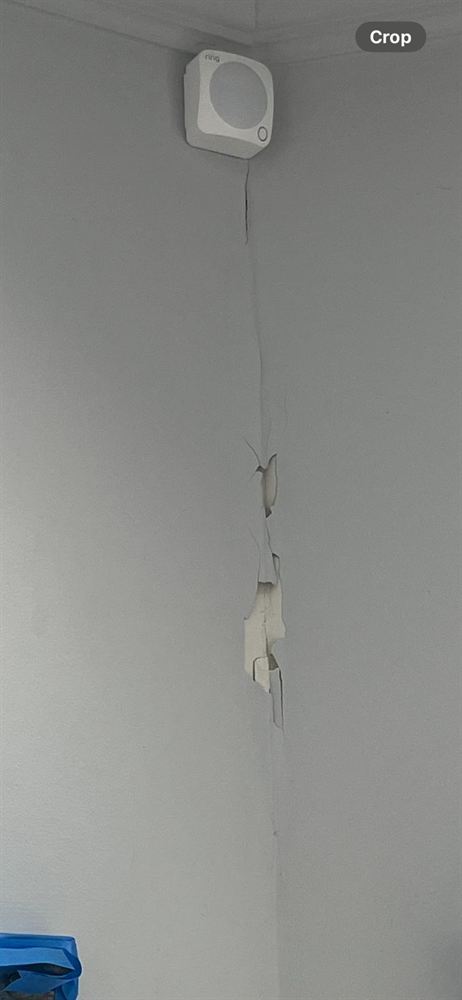
What causes cracks, and which ones matter
Not all cracks mean the same thing, and the repair depends entirely on the cause.
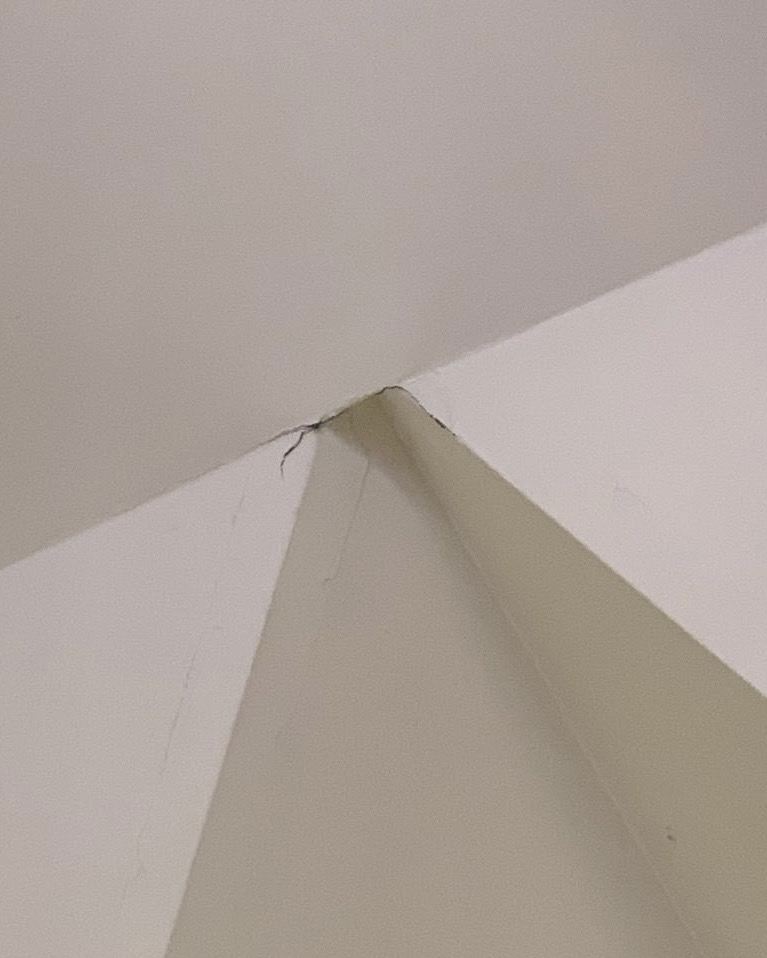
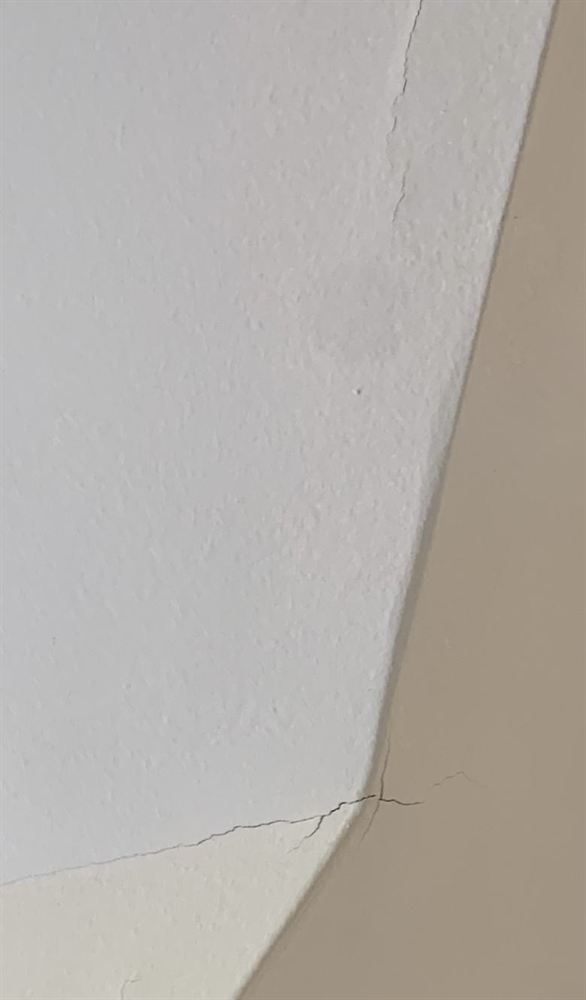
- Hairline cracks at corners and above door frames — normal seasonal movement. The house expands and contracts, the drywall joints give slightly. Routine to repair.
- Nail pops — the fastener has backed out as the framing dried and moved. The screw has to be reset or replaced, not just filled, or the pop comes straight back.
- Long horizontal cracks along a joint — the tape has failed. The old tape must be cut out and the joint re-taped. Filling over failed tape never holds.
- Stair-step cracking, doors binding, cracks that keep reopening — possible structural movement. That is not a spackle problem and we will say so rather than cover it up.
In seasonal houses on the East End, cracking is often worse simply because the heat goes off for months and the house swings through a much wider humidity range than a year-round home does.
Water stains need a primer, not more coats
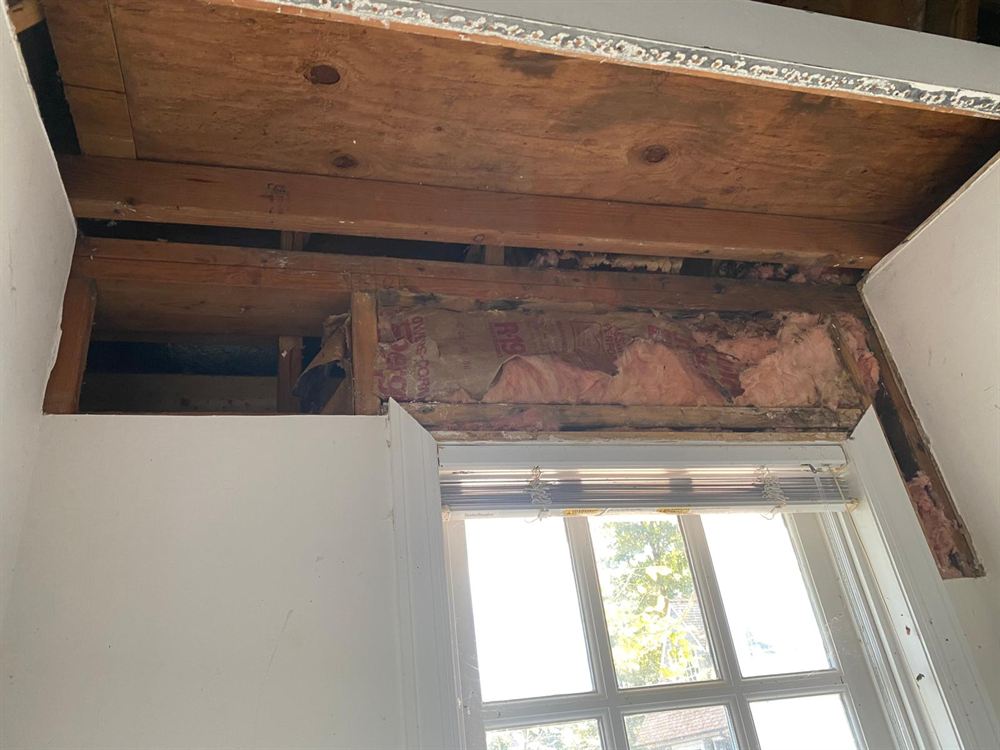
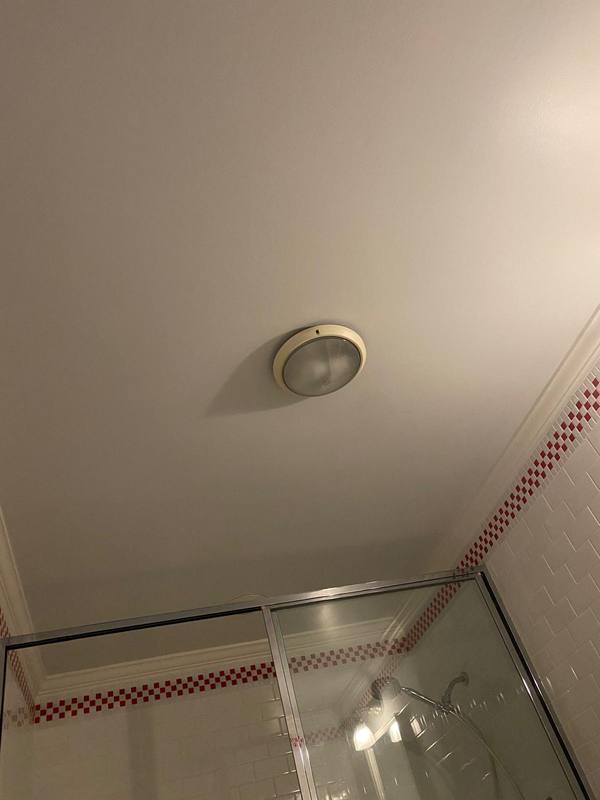
A brown water stain will bleed through any number of coats of standard wall paint. The tannins and minerals in the stain are water soluble, so every waterborne coat you apply redissolves them and carries them straight back to the surface. Three coats look fine wet and brown again within a day.
The fix is a stain-blocking primer — shellac-based or an oil-based equivalent — which seals the stain so it cannot migrate. One coat of the right primer does what five coats of paint will not.
Before any of that, the source has to be dealt with. If the leak is still active, the stain comes back regardless of what we prime it with, and we would be charging you to repaint the same ceiling next year.
Skim coating
When a wall has too many patches to blend individually, or has old texture, wallpaper adhesive or years of accumulated repairs, spot-filling stops working. Every repair reads as a slightly different plane under a uniform coat of paint.
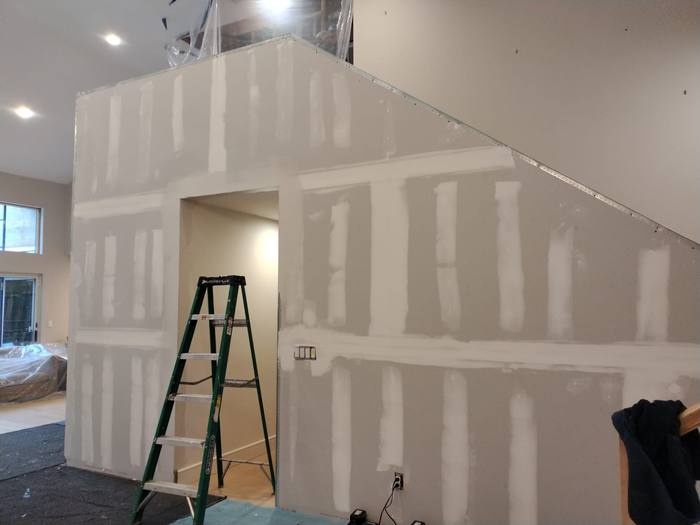
Skim coating puts a thin, continuous layer of joint compound across the entire surface and sands it back flat, giving you one consistent plane. It is more labor than patching but it is the only way to get a genuinely flat wall out of a difficult one — and on a large wall in a room with a lot of natural light, it is the difference between a good job and an expensive-looking one.
How we work
Assess the cause
We work out why the wall failed. Structural movement, a live leak or a fastener problem all need different treatment.
Cut out failure
Loose material, failed tape and damaged drywall removed back to something sound.
Repair
Backing installed where needed, new drywall cut in, fasteners set properly, joints taped.
Compound in coats
Two to three coats of joint compound, each feathered wider than the last, with drying time between.
Sand
Sanded flat and checked in raking light, which is how the wall will actually be seen.
Prime
Every repair is primed so the finish does not flash. Water stains get a stain-blocking primer.
Where we work
We are based in Hampton Bays and repair drywall across the whole East End, from Westhampton and Quogue to Southampton, East Hampton and Montauk. Estimates are free everywhere we serve, with no travel charge.